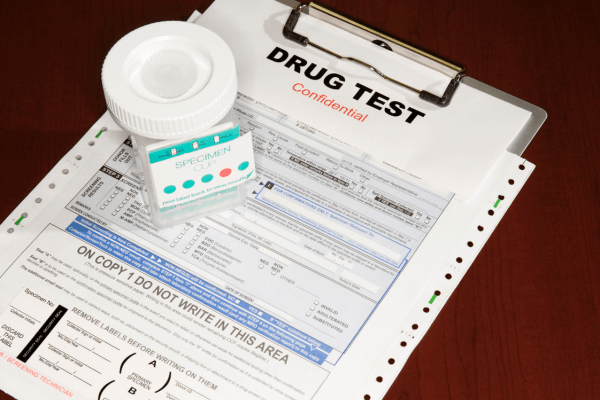
Most employers assume a “5-panel drug test” means one specific thing. It doesn’t. A 5-panel label tells you how many drug groups are being tested, but not which ones, not what substances fall within each group, and not whether the panel actually reflects the risks relevant to your workforce. Two employers can both order a “5-panel test” and end up screening for entirely different substances.
For employers building or refining a workplace drug testing program, understanding how panels actually work is the difference between a program that protects your business and one that wastes money testing for drugs your employees will never encounter.
This guide covers how drug test panels are structured, which configurations work best for common industries, and how to get a custom panel built for your program at no extra cost.
Why “5-Panel” Doesn’t Mean What Most People Think
Drug test panels are named by the number of drug groups they cover, but a single group can include multiple discrete substances. The federal opioid group, for example, covers morphine, codeine, heroin, oxycodone, hydrocodone, oxymorphone, and hydromorphone. That’s seven substances counted as one panel group.
This means the standard federal 5-panel test, often described as testing for 5 drugs, is closer to a 9-panel test when you count the individual substances. The same logic applies across other groups.
It gets more complicated for non-DOT employers. An employer who removes THC from a standard 5-panel and adds benzodiazepines ends up with a panel that still carries the “5-panel” label but screens for a completely different set of substances than the employer across town using the same name.
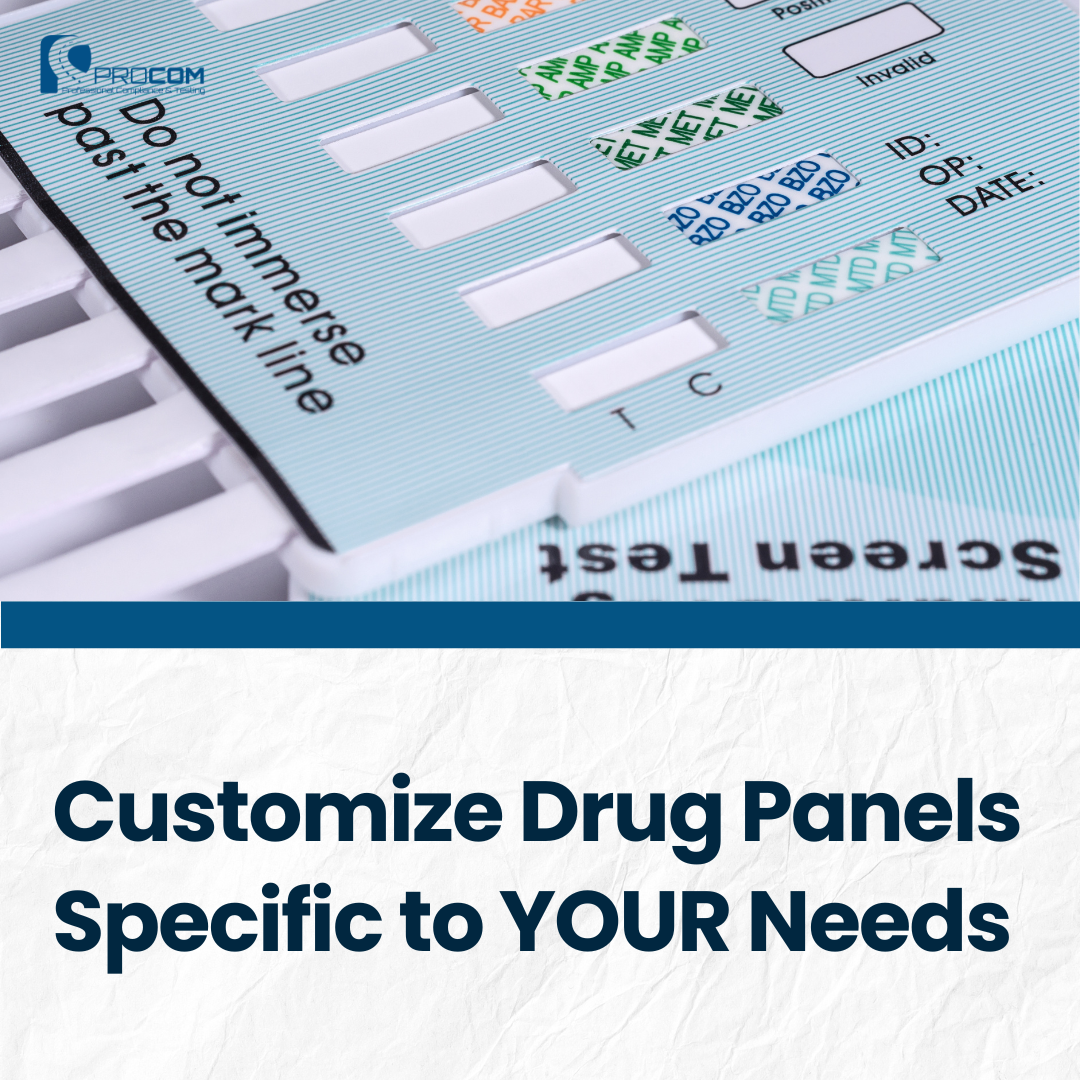
When a lab configures a panel, they work from approximately 50 testable substances, each with 3-5 possible cutoff levels. That creates tens of thousands of possible panel configurations. The panel number is a rough shorthand, not a standard.
The Most Common Drug Test Panel Configurations
While every employer’s program is unique, most fall into one of a few common configurations. PROCOM works with each of these regularly across its Colorado and national client base.
Mirror of DOT (Most Common Non-DOT Panel)
This panel mirrors the federal DOT 5-panel in a non-federal context. It tests for the same five drug groups using the same federal cutoff levels, but is administered outside the DOT regulatory framework. For non-DOT employers who want a defensible, well-established baseline, this is the most practical starting point. It’s PROCOM’s most requested non-DOT panel by a significant margin.
THC-Removed Panel
More employers are removing THC from their non-DOT panels for three reasons.
- First, in states with strong marijuana employment protections, rescinding a job offer based on a positive THC metabolite result via urinalysis creates legal exposure.
- Second, testing for THC constrains the applicant pool dramatically in states where recreational use is legal, including Colorado. This configuration takes the standard DOT mirror panel and substitutes THC with another substance, commonly benzodiazepines, to maintain the same panel count while reflecting a more practical policy position.
- If your organization is not going to take employment action (termination of a position or rescinding a job offer) based on a positive THC result, we would recommend removing it from your panel. If a candidate tests positive for THC, they will need to undergo further testing and physician review – both of which add time to the process and stress for the candidate. You will get a more relevant answer with a quicker timeline if you only test for substances for which you are actively going to take employment action if discovered.
Medical and Healthcare Panels
Clinics, hospitals, and healthcare providers often need panels that go beyond standard drug groups to detect the specific prescription drugs and injectables their employees have access to. Healthcare workers have proximity to controlled substances with a documented track record of workplace abuse, including certain injectables and prescription pain medications not covered by standard panels. A well-designed healthcare panel focuses on the substances actually present in that environment.
Oil and Gas / Expanded Panels
The oil and gas industry, particularly operators working on federally contracted rigs, often requires expanded panels that exceed the federal standard. One of the most widely adopted configurations in this sector is sometimes called the Exxon Panel, an expanded panel developed in response to employees shifting to synthetic cannabinoids when THC detection became more common. This panel covers a broader range of substances, including synthetic cannabinoids, and is standard in many pipeline and rig environments.
Drug Rehabilitation Facility Panels
Employers running drug rehabilitation programs work in close proximity to opioid-based treatment medications, including methadone and buprenorphine (Suboxone). Their employee drug testing needs reflect that environment, requiring panels that cover the full spectrum of opioids plus the treatment medications their staff have direct access to.
How Custom Panel Setup Works
Non-DOT employers are not required to use any standard configuration. If the substances on a common panel don’t reflect your industry’s actual risk profile, you’re paying for detection that doesn’t serve your program.
PROCOM works directly with lab partners to configure panels to employer specifications. The process works like this: once you identify the substances and cutoff levels relevant to your program, PROCOM requests the configuration from the lab, which generates a panel ID number. Lab accounts are then set up for your company, tied to that specific configuration.
There is no additional charge for a custom panel setup. The per-test cost of a custom panel is determined once the lab has configured it, since pricing depends on the specific substances included. Setup takes one to two weeks if the panel doesn’t already exist in the lab’s system.
For employers unsure where to start, PROCOM offers a free consultation to review your industry, workforce, and compliance requirements and recommend a configuration that fits.
DOT vs. Non-DOT Panel Selection: Key Differences
DOT-regulated employers have no flexibility on panel composition. The federal 5-panel and its required substances are mandated under 49 CFR Part 40, and deviating from them is a compliance violation. If your employees are subject to DOT testing under FMCSA, FAA, FTA, FRA, or PHMSA authority, your DOT drug testing program uses the federal panel as specified.
Non-DOT employers have significant flexibility. You can test for more substances than the federal standard, fewer, or an entirely different set. The only real constraints are state and local law and your own policy rationale. Colorado is employer-friendly on drug testing and gives employers considerable leeway on program design, with limited exceptions for specific municipalities.
If your company runs both a non-DOT screening program and a DOT program, PROCOM manages both under separate configurations so your regulated employees receive the required federal panel and your non-regulated employees receive the panel appropriate for their roles.
Choosing a Testing Method to Match Your Panel
Panel configuration determines what you’re testing for. The testing method determines how the specimen is collected and what detection window applies.
Urine remains the most common method for both DOT and non-DOT programs. It’s cost-effective, widely available across PROCOM’s Colorado collection site network, and accepted for all federally regulated testing.
Hair follicle testing provides a 90-day detection window and is often used for pre-employment screening in high-liability industries or roles. It cannot be used for DOT-regulated testing, but is a strong option for non-DOT programs where an extended history is relevant.
Oral fluid testing is increasingly used for recent impairment detection and is the required method in some states for detecting active THC rather than metabolites. For post-accident or reasonable suspicion testing, Oral Fluid testing can give you a better sense of whether recent or current impairment contributed to the situation at hand.
On-site testing and mobile collection are available for any panel configuration and are particularly useful for post-accident testing, large hiring events, or employers with workforces that can’t easily travel to a collection site.
Build a Program That Reflects Your Actual Risk
A drug testing panel should reflect what your employees are actually exposed to and what your policy is designed to detect. A standard panel is a reasonable starting point for many employers, but it’s not the only option, and for industries with specific substance risks, it may not be the best one.
Frequently Asked Questions
Yes, and many do. The DOT mirror panel is the most common non-DOT configuration that PROCOM sets up because it’s well-established, defensible, and familiar to most employees and managers. The difference is that it’s administered outside the DOT regulatory framework and doesn’t feed into the FMCSA Clearinghouse.
Not significantly. Panel cost is determined by the lab based on configuration. Removing one substance and adding another typically results in a comparable per-test price. The business case for THC removal is legal compliance and applicant pool considerations, not cost reduction.
If the panel already exists in the lab’s system, setup can happen quickly. If it’s a new configuration, it takes one to two weeks for the lab to generate a panel ID. There is no extra charge for setup.
No. Once your company account is configured with your panel, you order tests as needed. There’s no minimum order volume.
Panels can be reconfigured. If your industry requirements change or you want to adjust your testing policy, PROCOM works with the lab to update the configuration. The same one to two-week timeline applies to new configurations.
PROCOM offers free program consultations and custom panel setup for Colorado employers across every industry. If your company is ready to set up a testing account or wants a second opinion on your current panel configuration, contact PROCOM to get started.
For Colorado small fleets and owner-operators looking to join a DOT consortium, PROCOM’s offices in Glenwood Springs, Grand Junction, and Pueblo provide local access to consortium enrollment and ongoing compliance assistance.
Related Services: Non-DOT Screening | DOT Drug & Alcohol Testing | On-Site Testing | View All Services
Legal Disclaimer: The information in this post is provided for general informational purposes and does not constitute legal or compliance advice. Drug testing regulations vary by industry, jurisdiction, and employer type. Consult with a qualified TPA or legal counsel to ensure your testing program meets all applicable federal and state requirements.