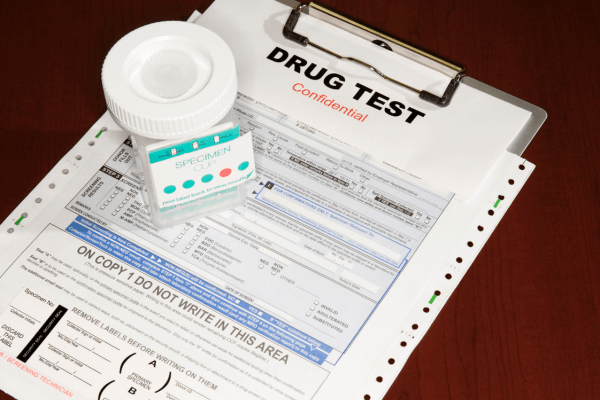

Most FAA regulated employers reach out to PROCOM ready to join a random testing consortium that same day. What they do not realize is that FAA rules prohibit enrollment until the employer has completed a separate federal approval process. This approval comes in the form of an LOA (A049), an Operations Specification (A449), or an FAA registration. Without one of these documents, the employer is not authorized to conduct federal testing.
Without this documentation, an employer is not authorized to conduct federal testing under Part 120. A consortium cannot override this requirement. This is why PROCOM must confirm FAA authorization before enrolling any aviation company in a random testing pool.
Once approval is issued, PROCOM can complete enrollment quickly. The key is understanding the order of steps and what the FAA expects at each stage.
Key Takeaway
FAA regulated employers must first obtain an LOA, A449, or FAA registration. Only after this approval is issued can PROCOM enroll the employer into a compliant random testing consortium. The approval step provides legal authority and the consortium provides random testing management. Both are required for compliance.
Why FAA Approval Comes Before Consortium Enrollment
FAA authorization is the federal confirmation that an employer is allowed to conduct drug and alcohol testing for safety sensitive functions. This authorization is required before any testing begins. FAA policy outlines three forms of approval:
- A449 Operations Specification for Part 121, 135, and 145 certificate holders
- A049 Letter of Authorization (LOA) for non certificated aviation employers
- FAA Registration for non FAA or military ATC facilities and non certificated contractors
These documents establish program authority. Without them, an employer cannot legally participate in federal testing programs. FAA rules require that each aviation employer complete this authorization step before joining any random pool.
If a CTPA places an unauthorized employer into a pool, both parties risk a Public Interest Exclusion.
Consortium vs FAA Approval
A consortium gives employers access to a random testing pool. FAA approval grants the legal authority to test. These are separate steps, and FAA rules specify that the authority must come first.
| Function | FAA Approval (LOA/A449/Registration) | Consortium Enrollment |
| Grants legal authority to conduct federal testing | Yes | No |
| Required before any testing can occur | Yes | No |
| Determines eligibility for random pool access | Yes | No |
| Manages random selections and notifications | No | Yes |
| Issues Certificate of Enrollment | No | Yes |
| Oversees ongoing compliance | Shared | Shared |
For broader context on consortium services, see PROCOM’s page on DOT drug and alcohol testing regulations.
Why FAA Leads Are Often Surprised by This Requirement
It is common for Colorado aviation employers to assume that consortium enrollment is the first step. Many have spoken with regional offices or FSDO representatives who describe the process differently. However, FAA Drug Abatement policies make it clear that authorization under an LOA, A449, or registration is required before participation in any random testing program.
This confusion leads employers to reach out to PROCOM ready to join the pool immediately. When they learn that FAA rules require authorization first, they often worry that they are behind schedule or at risk. The process is manageable, but understanding the order of steps makes a significant difference in staying compliant and avoiding delays.
PROCOM’s role is to guide employers through what the FAA expects so that enrollment can be completed correctly once authorization is secured.
The FAA Approval Process for Colorado Employers
The FAA authorization process is not instant. While it is straightforward, it requires specific information and review. Employers should plan accordingly.
Step 1. Contact the FAA Drug Abatement Division
Colorado employers often start with their local FSDO, or POI/PMI, but the Drug Abatement Division is responsible for issuing the approval.
You can contact the FAA Drug Abatement Division at 202-267-8442 or drugabatement@faa.gov for questions about authorization, registration, or program requirements.
Step 2. Submit Required Employer Information
The FAA reviews details such as business type, safety sensitive functions performed, and program structure. This determines whether an employer receives an LOA, an Ops Spec, or a registration.
Step 3. Receive Your FAA Authorization
Once reviewed, the FAA issues one of the following:
A049 Letter of Authorization
A449 Operations Specification
FAA Registration letter
A sample registration letter included in the FAA files shows exact approval dates, expiration dates, and confirmation of program status.
Step 4. Join a Consortium
After authorization is issued, PROCOM can complete enrollment steps such as initial testing, Certificate of Enrollment, and placement into the random pool. At this stage, employers are officially part of a compliant program and subject to random selections.
For details on available program structures, visit PROCOM’s consortium and TPA services.
A Common FAA Enrollment Problem
A Colorado flight instructor contacted PROCOM expecting immediate enrollment in a random pool. When asked for his FAA authorization number, he did not have one. After learning that FAA approval was required first, he contacted the FAA Drug Abatement Division and received an LOA several days later. Once the authorization was issued, PROCOM completed enrollment the same day.
This scenario is common across many FAA regulated employers. The process is not difficult, but the order of steps matters. Employers can avoid delays by beginning with FAA approval.
Why PROCOM Must Verify FAA Authorization Before Enrollment
FAA regulations require that aviation employers are authorized to conduct federal testing before they participate in random selection pools. A consortium manages the testing program, but it does not grant legal authority. Verification protects employers and ensures compliance during audits, inspections, or regulatory reviews.
Once the employer has obtained an LOA, A449, or registration, PROCOM can support the employer through every stage of enrollment and testing.
FAA Resources for Colorado Aviation Employers
Understanding FAA testing requirements can feel complicated when you are setting up a program for the first time. These official resources can help you review the federal expectations and prepare for your LOA, A449, or registration.
- FAA Drug and Alcohol Testing Program Overview
- FAA guidance on establishing an aviation drug and alcohol program
- DOT Part 40 drug and alcohol testing procedures
- FAA Drug Abatement Division information
- Additional FAA program information is available at DrugTestingConsortium.com
These resources provide a clear starting point while you wait for FAA approval or prepare your documentation.
Related Compliance Guides From PROCOM
If you are building or improving a regulated testing program, these PROCOM guides can help you understand the broader compliance landscape in Colorado.
- How random drug testing works across regulated industries
- Preparing for a regulated audit in Colorado
- Supervisor training requirements for safety sensitive positions
- Drug testing updates affecting regulated employers
These articles support the foundational requirements FAA programs must meet once authorization is issued and can help employers strengthen their overall compliance approach.
Ready to Begin the FAA Enrollment Process in Colorado
Whether you operate a charter service, repair station, flight school, or drone operation, compliance begins with FAA authorization. PROCOM can help you navigate the steps, coordinate with the FAA, and enroll in a fully compliant random testing consortium once approval is issued.If you prefer in person assistance, our teams in Glenwood Springs, Grand Junction, and Pueblo are ready to help. You can also contact us anytime through our contact page.
Frequently Asked Questions
Approval timelines vary, but many Colorado employers receive their LOA or registration within several days. Delays can occur if information is incomplete.
No. Authorization applies to the employer. Pilots and safety sensitive employees operate under the employer’s FAA approved program.
No. FAA policy requires that approval be issued before any consortium enrollment or federal testing can occur.
Only when they perform safety sensitive functions under FAA Part 120. Recreational flying does not require FAA drug testing.
The FAA follows DOT Part 40 standards. Tests screen for marijuana, cocaine, amphetamines, opioids, and phencyclidine.
Yes. The sample registration letter shows expiration dates, and employers must renew before the listed date to maintain compliance.