
If you’re an employer building or budgeting a workplace drug testing program, you’ve probably noticed that most online pricing information is either outdated, vague, or written for individuals rather than businesses. This guide is written for employers.
A standard urine drug screen in Colorado typically costs between $65 and $85 per test through a third-party administrator. But the total cost of your program depends on test type, panel configuration, delivery method, and whether you’re subject to DOT regulations. This breakdown covers everything, so you can plan accurately.
Key Takeaways
- Standard urine drug screens run $65-85 per test. Hair follicle tests range from $125-350. Breath alcohol tests run $30-60.
- DOT and non-DOT testing cost roughly the same per test if the panel is the same, but DOT programs carry additional annual compliance costs, including random pool enrollment and Clearinghouse queries.
- Custom panel setup through a TPA like PROCOM is free, though it takes 1-2 weeks if the panel doesn’t already exist. Increasing the size of the panel often increases the cost of the test.
- Mobile and on-site testing adds per-visit costs but eliminates employee downtime and is often more cost-effective for larger teams or time-sensitive testing.
- Annual enrollment in a DOT consortium costs $50-100 per driver for small companies, and is often capped at a few hundred dollars for larger organizations. Consortiums are often the most efficient way for small fleets to manage compliance with random testing requirements.
What Drives Drug Testing Costs for Employers
Before looking at specific numbers, it helps to understand the four variables that actually determine what you’ll pay.
Test type and specimen are the biggest cost drivers. Urine testing is the least expensive and most common. Hair follicle testing costs more due to requiring a specialized lab with increased processing time, but it provides a longer detection window. Oral fluid testing sits between the two. Breath alcohol requires a certified technician and an approved device, which is billed separately from drug screens.
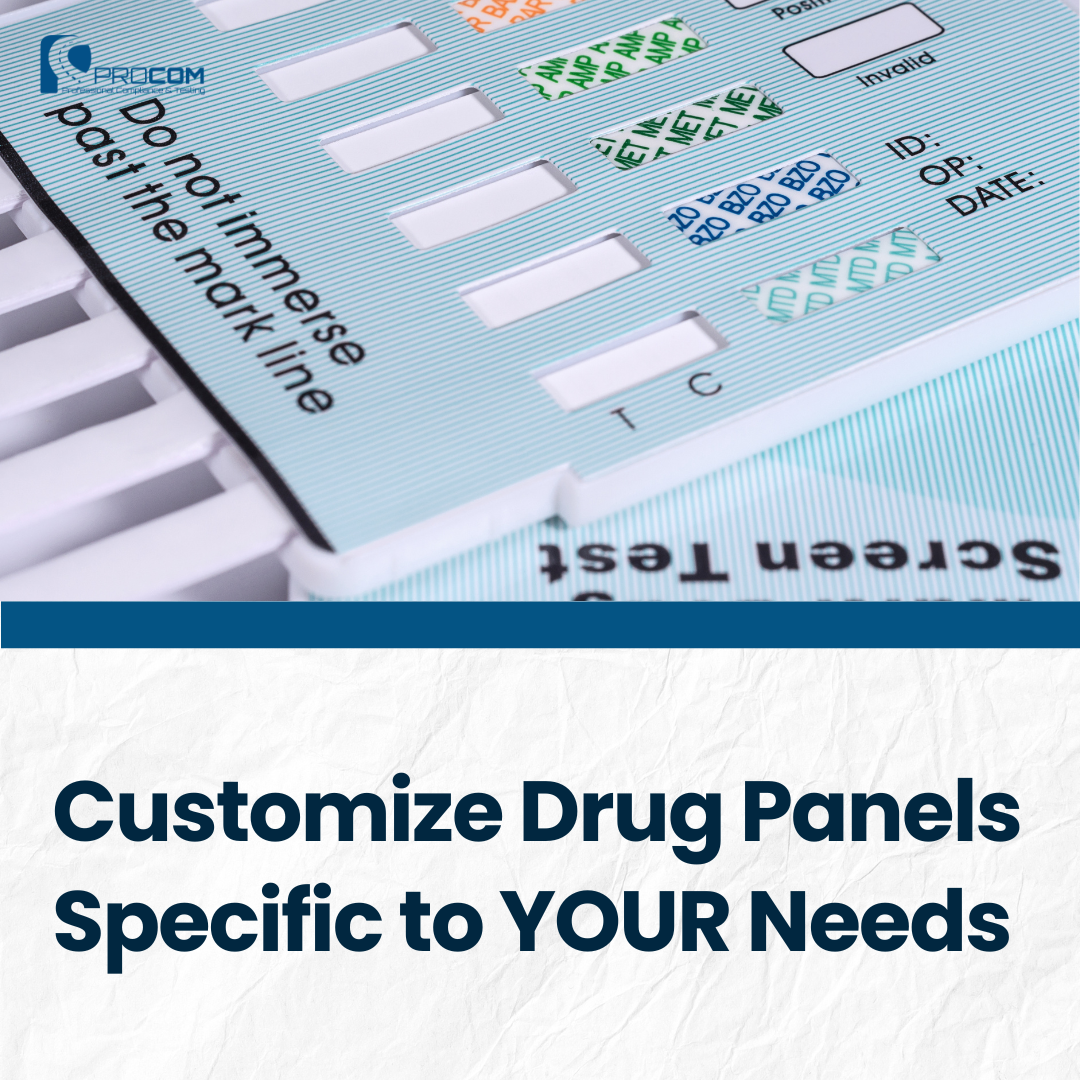
Panel configuration affects lab costs more than most employers realize. When someone refers to a “5-panel drug test,” that label doesn’t define a standard set of substances. The traditional federal 5-panel tests for five drug groups, but each group may include multiple discrete substances. The federal ‘opioid’ group alone covers morphine, codeine, heroin, oxycodone, hydrocodone, oxymorphone, and hydromorphone. A non-DOT employer removing THC and adding benzodiazepines also ends up with a “5-panel,” but it tests for entirely different substances. Panel cost is set by the lab based on configuration and specific substances included, not by the panel number.
The testing location may incur an additional cost when testing is done at your location rather than at a collection site. Mobile and on-site testing carries a service fee, but for larger teams or post-accident situations, the operational value typically outweighs the premium.
Program type determines whether you’re also paying for annual enrollment, random pool management, and Clearinghouse query credits on top of per-test costs. DOT testing has far more procedural hurdles, physician involvement, and retention guidelines than NONDOT testing, which may command a premium by some providers.
Drug Test Cost by Type: Colorado Employer Pricing
The ranges below reflect typical TPA costs for employer-based testing programs in Colorado. Individual test prices will vary based on panel configuration, which is finalized at the lab level.
| Test Type | Typical Cost Per Test |
| Urine drug screen (standard) | $65-85 |
| Hair follicle drug test | $125-350 |
| Oral fluid (saliva) drug test | $65-100 |
| Breath alcohol test (DOT) | $30-60 |
| Return-to-duty drug test | $75-100 (directly observed, site premium applies) |
Note: These are per-test costs for employer accounts. Prices reflect combined lab and collection fees, not retail walk-in rates.
On directly observed collections: Direct observation is not standard for routine workplace testing, but it is required for all return-to-duty tests, SAP-ordered follow-up tests, and any case where an employee has had a prior positive or is suspected of tampering with a specimen. Most collection sites charge a premium for directly observed collections, in addition to standard per-test rates. If your program includes RTD or follow-up testing, budget for this additional cost.
Urine Drug Testing
Urine testing is the most widely used method for both DOT drug and alcohol testing and non-DOT workplace programs. It’s the least expensive option per test, offers same-day collection at most walk-in sites, and is accepted for all DOT-regulated testing under federal guidelines.
Panel selection determines the lab cost. The most common non-DOT panel mirrors the federal DOT panel, covering the same five drug groups in a non-federal context. This is PROCOM’s most requested non-DOT panel because it’s the most defensible configuration: employers are simply following the federal standard.
Employers who need to remove THC from their panel, common in states with strong marijuana employment protections, can work with their TPA to configure a panel that substitutes another substance, such as benzodiazepines, without changing the per-test price in most cases.
Hair Follicle Drug Testing
Hair follicle testing costs more per test than urine, but provides a 90-day detection window rather than a few days to a week. It’s commonly used for pre-employment screening in high-risk industries, for positions involving significant financial or safety responsibilities, and in return-to-duty contexts where an extended history is relevant.
For employers in healthcare, oil and gas, or any sector with heightened liability, the cost premium is often justified by the depth of information a hair test provides. A standard 5-panel hair test in Colorado runs $125-350, depending on panel configuration and the lab used.
Oral Fluid Testing
Oral fluid drug testing is increasingly used by employers who want to detect recent use rather than historical exposure. The detection window is shorter than urine, typically 24–48 hours, which makes it useful for reasonable suspicion and post-accident testing where recency matters. It’s also the required method in some jurisdictions for detecting the active psychoactive component of THC rather than metabolites, which matters for employers in states where rescinding a job offer based on THC metabolite testing is restricted.
Oral fluid drug testing is not yet as widely available as urine testing, particularly in rural areas, and it is not currently approved for federally mandated DOT drug testing programs under FMCSA, though DOT authorization for oral fluid has been in progress. For most Colorado employers, urine remains the default for both cost and access reasons.
Note: oral fluid alcohol screening is a separate service from oral fluid drug testing. For information on how PROCOM provides alcohol screening in areas without BAT equipment, see our DOT Breath Alcohol Testing Guide.
Breath Alcohol Testing
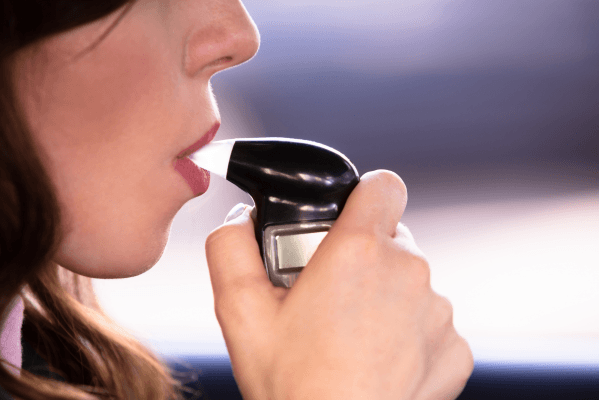
Breath alcohol testing is priced separately from drug screens and must be administered by a certified Breath Alcohol Technician using an NHTSA-approved device. For a full breakdown of DOT breath alcohol testing requirements and costs, see our DOT breath alcohol testing guide.
DOT vs. Non-DOT Program Costs: What’s the Real Difference
Per-test costs are similar for DOT and non-DOT programs. The meaningful cost difference is at the program level.
DOT-regulated employers carry mandatory compliance costs that non-DOT employers don’t: annual random pool enrollment, FMCSA Clearinghouse query credits, and the administrative overhead of maintaining a compliant program under 49 CFR Part 40. Non-DOT employers have the flexibility to structure their program around their actual risk profile and budget.
For non-DOT employers, one of the most underused advantages is panel customization. Employers in healthcare can build panels that detect the specific prescription drugs and injectables their employees have access to and a track record of abusing. Oil and gas operators, particularly those working with federally contracted rigs, often require expanded panels that include synthetic cannabinoids. Drug rehabilitation facilities working with opioid-based medications typically need panels covering methadone and buprenorphine alongside standard opioids.
PROCOM configures custom panels at no additional setup cost. It requires a 1-2 week lead time if the panel doesn’t already exist in the lab system. The per-test cost of a custom panel is determined once it’s configured, since the lab sets pricing based on the specific substances included.
Annual Program Costs: Building a Full Budget
For employers managing ongoing programs, the per-test price is only part of the picture.
DOT Random Pool Enrollment: Annual consortium membership through PROCOM is $60 for owner-operators and individuals, and $250 for companies with up to 24 covered employees. Organizations with 25 or more covered employees enroll at no annual fee, with competitive per-test pricing. These fees cover quarterly random selections, notifications, and compliance management. Per-test costs apply only when a test is drawn.
FMCSA Clearinghouse Query Credits: $1.25 per credit, and they never expire. Employers must run a full query on every new hire before they operate a commercial vehicle and run annual limited queries for all active drivers. Credits can be purchased as needed. C/TPAs may charge additional service fees to run these queries on your behalf.
Mobile and On-Site Testing: Mobile DOT drug testing and on-site testing each carry a service fee per visit, which varies by location and team size. For employers with multiple employees to test at once, on-site collection is often more cost-effective than sending each employee to a clinic individually, given lost productivity and travel time.
Return-to-Duty Costs: When an employee violates DOT drug or alcohol standards, the return-to-duty process includes a Substance Abuse Professional evaluation, the RTD test, and a minimum of 6 follow-up tests within the first 12 months. The SAP evaluation and treatment requirements are independent costs set by the SAP and any treatment provider involved.
What Most Employers Overpay For (And How to Avoid It)
The most common cost inefficiencies in employer drug testing programs are testing the wrong panel, failing to account for the hidden cost of employee travel time, and underestimating the true cost of manual compliance management.
Regarding panel configuration, non-DOT employers are not required to mirror the federal panel. If your workforce isn’t exposed to the substances the federal panel tests for, you’re paying for detection you don’t need. The practical impact goes beyond cost: if you’re a non-DOT employer who doesn’t enforce THC policies, removing it from your panel means positive results don’t trigger MRO intervention or secondary lab confirmation. Tests come back faster, hiring decisions aren’t delayed, and you’re not paying for a process that produces an outcome you wouldn’t act on. PROCOM configures custom panels at no setup cost.
On employee travel time: Sending employees to a collection site individually incurs a cost that doesn’t appear on an invoice. For employers running random selections across a team of any size, on-site and mobile testing often costs less overall once lost productivity and travel time are factored in, particularly when post-accident or reasonable-suspicion timing is critical.
On compliance management: Employers who manage their own random selections, Clearinghouse queries, collection scheduling, and documentation consistently undercount the actual cost in staff time. The real value of a TPA isn’t the annual fee; it’s eliminating the administrative burden of a process that most HR teams manage reactively. Employers who hand off a nationwide testing program to PROCOM typically find they’re spending less overall, not just less per test, because they’re no longer coordinating directly with individual collection sites or absorbing the audit exposure that comes with documentation gaps.
Build a Testing Program That Fits Your Budget and Your Risk Profile
Drug testing costs in Colorado are predictable when you understand what you’re actually paying for. A standard urine screen runs $65-85. A hair test runs $100-150. Annual consortium enrollment runs $50-100 per driver. The variables are panel configuration, delivery method, and program structure.
PROCOM works with Colorado employers across every industry to build testing programs that match their compliance requirements and budget. Custom panel setup is free, program consultations are free, and there are no ticketing systems or queues when you need to reach someone.
Frequently Asked Questions
For pre-employment and workplace testing ordered by an employer, the employer pays for the test. Employees are not charged. This is true for both DOT and non-DOT programs.
Per-test prices are similar, typically $65-85 for a standard urine screen. The difference is at the program level. DOT programs require annual consortium enrollment, Clearinghouse queries, and compliance documentation that non-DOT programs don’t.
Yes, and many should. Non-DOT employers can work with their TPA to build a panel that reflects the substances relevant to their industry and workforce. Custom panel setup through PROCOM is free. The per-test price is determined by the lab once the panel is configured.
Hair follicle testing requires more complex lab processing and provides a longer detection window of approximately 90 days compared to a few days to a week for urine. Collections also take longer than urine tests, and when an employee doesn’t have sufficient head hair, collectors must obtain body hair instead, for which many collection sites charge substantial surcharges on top of the standard hair test price. The higher cost reflects both the laboratory analysis required and the complexity of the collection, not just the lab work.
The return-to-duty process involves a SAP evaluation, a directly observed RTD test, and a minimum of six follow-up tests within the first 12 months. The RTD test and all follow-up tests must be directly observed, which carries a site premium above standard per-test rates at most collection sites. SAP evaluation fees vary by provider and are separate from testing costs entirely. PROCOM coordinates the full process, including Clearinghouse entry, observed collection scheduling, and follow-up management.
Not necessarily on per-test cost; panel pricing is set by the lab based on configuration, not by removing a substance and substituting THC for another. Substituting THC for another substance can result in a comparable or slightly higher cost, depending on what’s added. The more meaningful benefit is speed. If a THC result comes back positive, it triggers MRO review, secondary confirmation testing, and physician involvement, all of which delay your result and potentially your hiring decision. Removing THC from the panel if you don’t enforce it means results come back faster and negative, reducing downstream costs and administrative burden beyond the test price itself.
If you’re ready to set up a company testing account or want a clearer picture of what your program should cost, contact PROCOM or visit our offices in Glenwood Springs, Grand Junction, and Pueblo, which serve employers throughout Colorado.
Related Services: DOT Drug & Alcohol Testing | Non-DOT Screening | Consortium & TPA Services | View All Services
Legal Disclaimer: The pricing information in this post reflects typical ranges for employer-based drug testing programs and is provided for general budgeting purposes only. Actual costs vary based on panel configuration, delivery method, lab, and program structure. This content does not constitute legal or compliance advice. Employers should consult with a qualified TPA or legal counsel to ensure their drug testing programs meet all applicable federal and state requirements.