
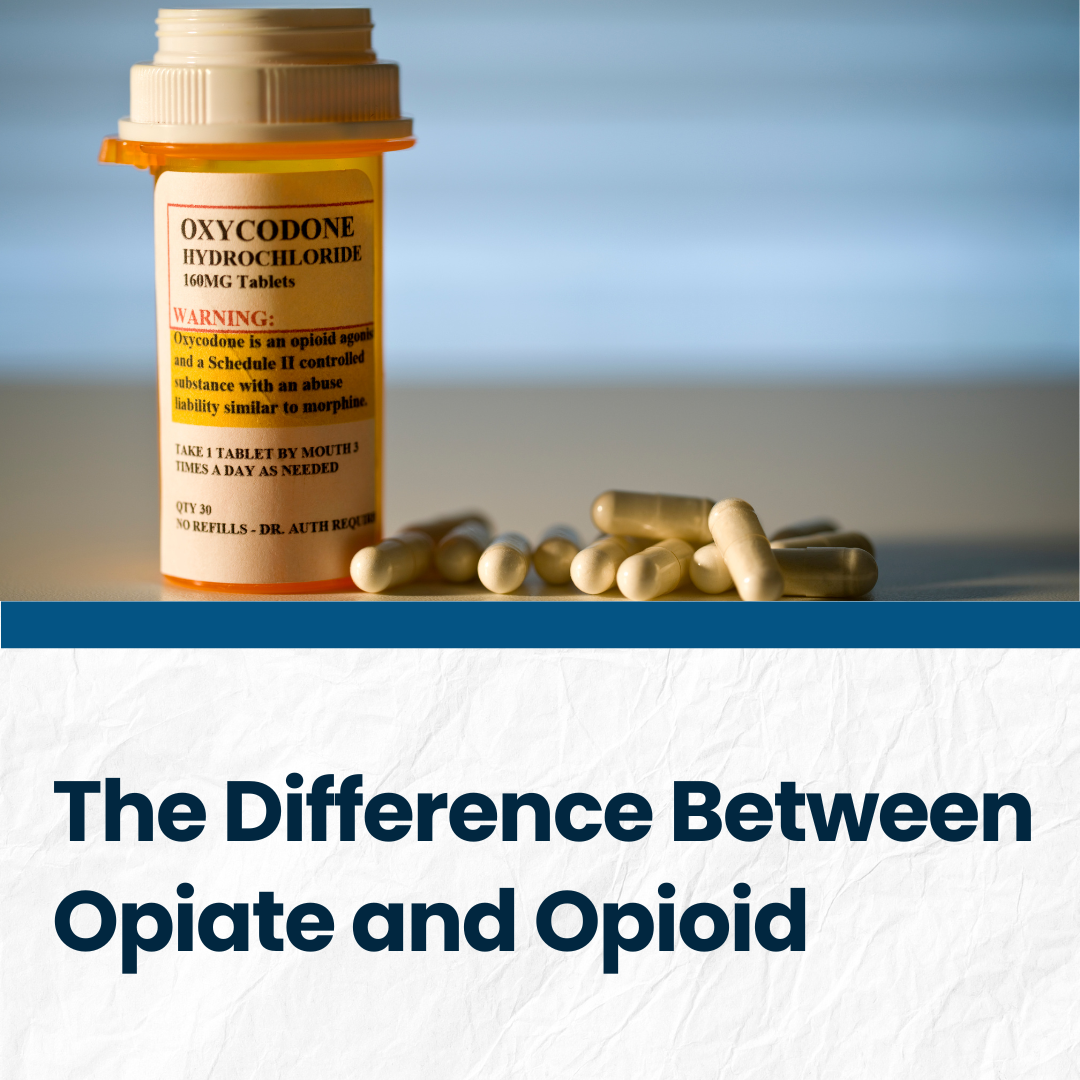
Many people use the term opiate and opioid interchangeably, but is there a difference? The answer is yes. Quest Diagnostics Employer Solutions uses the definitions below to help us understand the difference between the terms.
- Opiates refers to a natural, psychoactive substance with morphine-like effects derived from the flowering opium poppy plant that shares a number of chemical and structural characteristics. Opiates provide pain relief and depress the central nervous system in the human body. They are a subset of opioids.
- Semi-synthetic opiates are man-made substances derived from compounds found in the opium poppy. These drugs include hydrocodone, hydromorphone, oxycodone, and oxymorphone.
- Opioids refers to all drugs — synthetic, semi-synthetic, or naturally occurring — with morphine-like properties that act on the opioid receptor. More specifically, this broad term includes synthetic (e.g. fentanyl), semi-synthetic (e.g. oxycodone), and naturally occurring (e.g. morphine) substances as well as antagonists (e.g. naloxone) that bind with the opioid receptor in the body. Synthetic compounds such as fentanyl and tramadol, while able to act upon the opioid receptor, do not share structural similarity with naturally-occurring and semi-synthetic opiates.
To read the complete article from Quest, please click through the link below.